Key Takeaways
- Tech-sector wealth jumped from 6% to 20% of major U.S. sports franchise ownership between 2022 and 2025, per JPMorgan analysis.
- Three forces are converging in 2026: looser PE rules across leagues, media rights resets at record valuations, and tech operators treating teams as strategic data platforms.
- Socios.com fan tokens now partner with 70+ major clubs globally, giving fans voting rights on minor decisions and gamified rewards.
- Fixed franchise supply meets rising demand from tech exits — Ballmer's Clippers jumped from $2B at purchase to over $5.5B today.
Why Is 2026 Different for Tech Billionaire Sports Ownership?
Tech billionaires went from controlling 6% of major sports franchises in 2022 to 20% by 2025 — and 2026's acceleration stems from three structural shifts hitting simultaneously.
Tech billionaires buying sports teams has been happening for over a decade. Steve Ballmer's $2 billion Clippers purchase in 2014 looked like an outlier — a tech exec paying double the previous NBA record for a franchise. By 2022, JPMorgan estimated tech-sector wealth controlled roughly 6% of major U.S. sports franchise ownership. That figure hit 20% by 2025 as more tech fortunes diversified into teams alongside real estate, art, and other hard assets.
What makes 2026 different isn't the trend itself but its acceleration. Three forces are converging: private equity rules loosening across leagues, media rights deals resetting at unprecedented valuations, and a new generation of tech operators viewing teams as strategic rather than passive investments. The result is an M&A environment that sports finance analysts are calling "overdrive" — more deals happening faster, with valuations climbing in ways that favor cash-rich tech buyers over traditional ownership groups.
Recent examples show the shift. Bret Taylor, OpenAI's chairman, acquired a 1% stake in the San Francisco 49ers valued at over $9 billion total franchise worth. Microsoft's Satya Nadella and Google's Sundar Pichai both closed minority ownership deals in 2025. These aren't celebrity vanity purchases — they're strategic operators who built systems-level companies now applying similar thinking to sports franchises. Analysts distinguish this cohort as "strategic operators" rather than passive investors, expecting them to influence team operations through data infrastructure, AI integration, and organizational redesign.
What Is Driving the 2026 Tech Ownership Acceleration in Sports?
Three forces converged in 2026: looser PE ownership rules across major leagues, $111B media rights resets, and tech operators treating teams as strategic data infrastructure rather than passive trophies.
Private equity rules relaxed across major leagues first. The NBA now allows PE firms to own up to 8 team stakes with passive investment structures. The NFL loosened ownership bylaws to permit more liquidity without requiring control transfers — a major shift for a league that previously banned institutional investors entirely. These rule changes create exit paths for existing owners and entry points for capital that wasn't previously allowed, increasing deal velocity and pushing valuations higher as more bidders compete for limited franchises.
Second, media rights cycles are resetting at historically high valuations. NBA local media rights are renegotiating with billions in new money expected as teams exit collapsed regional sports networks and build direct-to-consumer streaming operations. The NFL's $111 billion rights package faces early opt-out scenarios that could drive renegotiation before the current deal expires. When media rights climb, franchise valuations follow — teams become more attractive to buyers with capital to invest in streaming infrastructure and content distribution capabilities that tech billionaires understand better than traditional sports ownership.
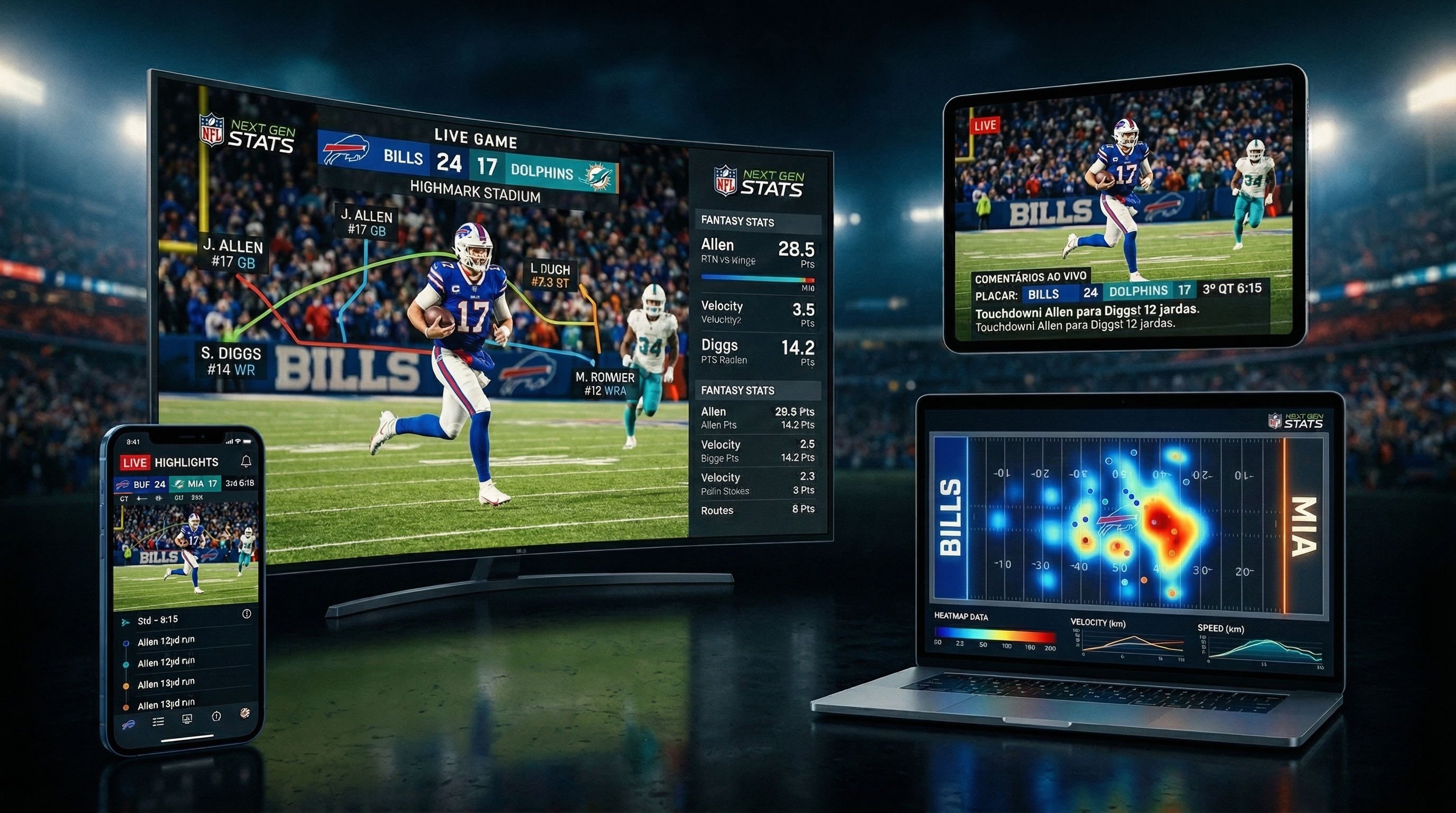
Third, the operational focus of team ownership is shifting toward data platforms, prediction markets, and AI-driven fan engagement rather than just winning games and selling tickets. Ballmer's $2 billion Intuit Dome isn't just an arena — it's a technology showcase with individualized audio zones, real-time stat overlays on personal devices, and payment systems that generate data on every fan interaction. Financial analysts are calling 2026 the "financial frontier" for sports ownership — a moment when valuations, deal structures, and ownership profiles are all shifting simultaneously.
How Are Fan Tokens Creating a New Sports Ownership Partnership Model?
Fan tokens let supporters buy voting rights on minor club decisions and access exclusive rewards without transferring actual ownership or equity.
While full team ownership by crypto companies remains rare due to regulatory constraints and capital requirements, fan token partnerships have scaled dramatically. Socios.com, built on the Chiliz blockchain, partners with over 70 major teams including Manchester City, FC Barcelona, Paris Saint-Germain, Juventus, Arsenal, Inter Milan, AC Milan, AS Roma, and Atlético Madrid. Fans buy team-specific tokens that provide voting rights on minor decisions, access to rewards programs, and tradable digital assets tied to team brand.
This model differs from ownership — teams license their brands to the platform rather than being acquired by crypto entities. Socios handles the technical infrastructure while teams retain operational control. Fan Token Management AG (Switzerland) issues the tokens; Socios Europe Services Limited (Malta) operates under EU MiCA (Markets in Crypto-Assets) regulatory framework. The separation maintains legal clarity while allowing teams to monetize fan engagement through blockchain mechanisms without fully embracing crypto business models.
The fan experience feels like ownership integration without the financial commitment. Token holders vote on jersey designs, pregame music selections, and promotional activities through the Socios app. They accumulate reward points by staking tokens, then redeem points for experiences — meeting players, stadium tours, VIP tickets, exclusive merchandise. Teams get new revenue streams from token sales and ongoing platform fees; fans get gamified engagement that makes following the team feel more participatory than passive viewership.
What Does Tech Ownership Mean for How Sports Teams Actually Operate?
Tech owners import data-driven management philosophy — metrics, rapid iteration, and infrastructure investment — transforming how teams make decisions, engage fans, and build long-term platform value.
When someone who built a tech company buys a sports team, they bring operational approaches that differ from traditional sports ownership. Ballmer's Clippers don't just use Microsoft products — they rebuild workflows around data analytics, automate player performance tracking, and optimize fan engagement through systems thinking rather than sports-industry intuition. Tsai's Brooklyn Nets bypass traditional retail channels for merchandise, using Alibaba's e-commerce infrastructure to reach fans directly and capture margin that used to go to intermediaries.
The changes aren't always about applying the owner's company technology directly to team operations. More often, it's about importing management philosophy — metrics-driven decision making, rapid iteration on fan experience, willingness to invest in infrastructure that traditional owners view as too experimental. This same logic is driving investment in immersive stadium venues like COSM, where 40-foot curved LED walls and haptic feedback are turning arenas into technology showcases rather than just sports venues.
Some of this benefits fans: better apps, faster WiFi, smoother payment systems, more personalized content recommendations. Some of it feels invasive: aggressive data collection, dynamic pricing that adjusts based on your purchase history, notifications designed to maximize engagement rather than provide useful information. The distinction between improvement and manipulation depends partly on implementation and partly on whether you trust the owner's motives — are they optimizing for fan experience or monetizing attention?
Why Are Sports Franchise Valuations Climbing as Tech Money Enters?
Fixed supply of only 120 major league franchises meets rising demand from tech exits creating concentrated capital, pushing valuations beyond what traditional buyers can afford.
The fundamental economics driving tech billionaire interest: there are only 30 NBA teams, 32 NFL teams, 30 MLB teams, 32 NHL teams. Supply is fixed, demand from ultra-wealthy buyers keeps increasing, and the capital available for sports acquisitions has grown faster than the number of franchises for sale. When Ballmer paid $2 billion for the Clippers in 2014, it shocked the market. By 2025, that looks like a bargain — Forbes values the team at $5.5 billion, and Ballmer's total investment including the arena exceeds $4 billion.
Tech wealth specifically pushes valuations higher because tech exits create concentrated capital that needs deployment into assets with long time horizons and limited supply. A founder who sells a company for $5 billion faces a portfolio allocation problem — public markets, real estate, art, private equity, and increasingly, sports franchises. Sports teams offer brand affinity, social cachet, operational involvement if desired, and appreciation potential that outpaced most asset classes over the past decade.
The 2026 deals are happening at prices that reflect these dynamics. The 49ers stake that valued the franchise over $9 billion, the Nets sale at $2.35 billion, the Jazz at $1.66 billion — each deal sets new comps that influence subsequent transactions. As PE firms enter with specialized sports practices and institutional capital, they bring valuation methodologies from tech and media M&A that justify higher multiples based on content rights, data assets, and brand value beyond traditional sports industry metrics.
What Happens Next for Tech Sports Ownership Through 2027?
Expect more tech ownership deals as NBA media rights renegotiate and NFL bylaws loosen further — alongside athlete-led media companies creating an entirely new ownership category.
If current trajectories hold, expect more tech billionaires to buy teams in 2026–2027 as media rights resets create valuation spikes and PE rule changes increase deal flow. The NBA's media rights renegotiation will likely drive franchise prices higher across the board. NFL ownership loosening will bring new buyers who couldn't previously meet league requirements. MLB and NHL will follow similar patterns as they see valuations climb in basketball and football.
The longer-term question is whether this ownership wave changes how leagues operate or just who writes the checks. Do tech billionaires bring enough operational innovation to justify their premium valuations, or are they buying into mature businesses where the fundamentals — talented athletes, passionate fans, limited supply — matter more than any management philosophy? Early evidence suggests tech ownership brings incremental improvements in fan experience and data infrastructure but hasn't revolutionized competitive performance in ways that traditional ownership couldn't replicate with similar capital investment.
The 2026 acceleration will test whether sports franchise ownership follows tech industry consolidation patterns — a few dominant players controlling multiple teams and using their platform advantages to outcompete traditional ownership — or whether league rules and regulatory constraints prevent that outcome. The answer will shape what it means to be a sports fan in the next decade, as the billionaires who built the platforms you use daily increasingly own the teams you root for on weekends.
Nexairi Analysis
The 6%-to-20% shift in tech ownership isn't just a financial story — it's a structural change in who controls the sports experience. Traditional owners ran franchises as civic institutions with local roots. Tech operators run them as platforms with global distribution ambitions. That distinction matters most to fans in legacy sports cities, where the team's identity has always been inseparable from the community that built it. When Ballmer moves the Clippers to Inglewood and builds a $2 billion tech showcase, he isn't destroying tradition — he's making explicit what tech ownership fundamentally is: a platform play, not a community investment.
The fan token wave is a useful signal here. It scales participation without transferring real power. Voting on pregame music feels like ownership but changes nothing operational. If that's the template for how tech-owned teams engage their fans — maximum surface area, minimum structural accountability — it tells you a lot about where the next decade goes.
Frequently Asked Questions
How much have sports franchise valuations increased since tech companies started buying?
Dramatically. Ballmer's Clippers went from $2B at purchase in 2014 to over $5.5B today. Franchises with tech ownership typically appreciate faster than the league average as buyers compete at prices traditional ownership groups can't match.
Can regular fans buy into sports teams through fan tokens?
Yes, through platforms like Socios.com. Fan tokens cost anywhere from a few dollars to hundreds, provide voting rights on minor club decisions, and offer rewards like VIP access and exclusive merchandise. They don't represent financial ownership or a share in the team's equity.
Do tech-owned sports teams actually perform better on the field?
Results are mixed. Tech ownership brings data infrastructure and management discipline, but competitive performance still depends primarily on player talent, coaching, and team culture. No consistent on-field advantage has emerged from tech ownership alone over the first decade of the trend.