A CFO is reviewing a renewal notice from their AI software vendor. The tool has been running for two years. No one measured whether it worked. The vendor wants another three years.
The CFO knows they should push back. They also know the contract is in legal, procurement is ready to approve and everyone else seems fine with it. So they sign.
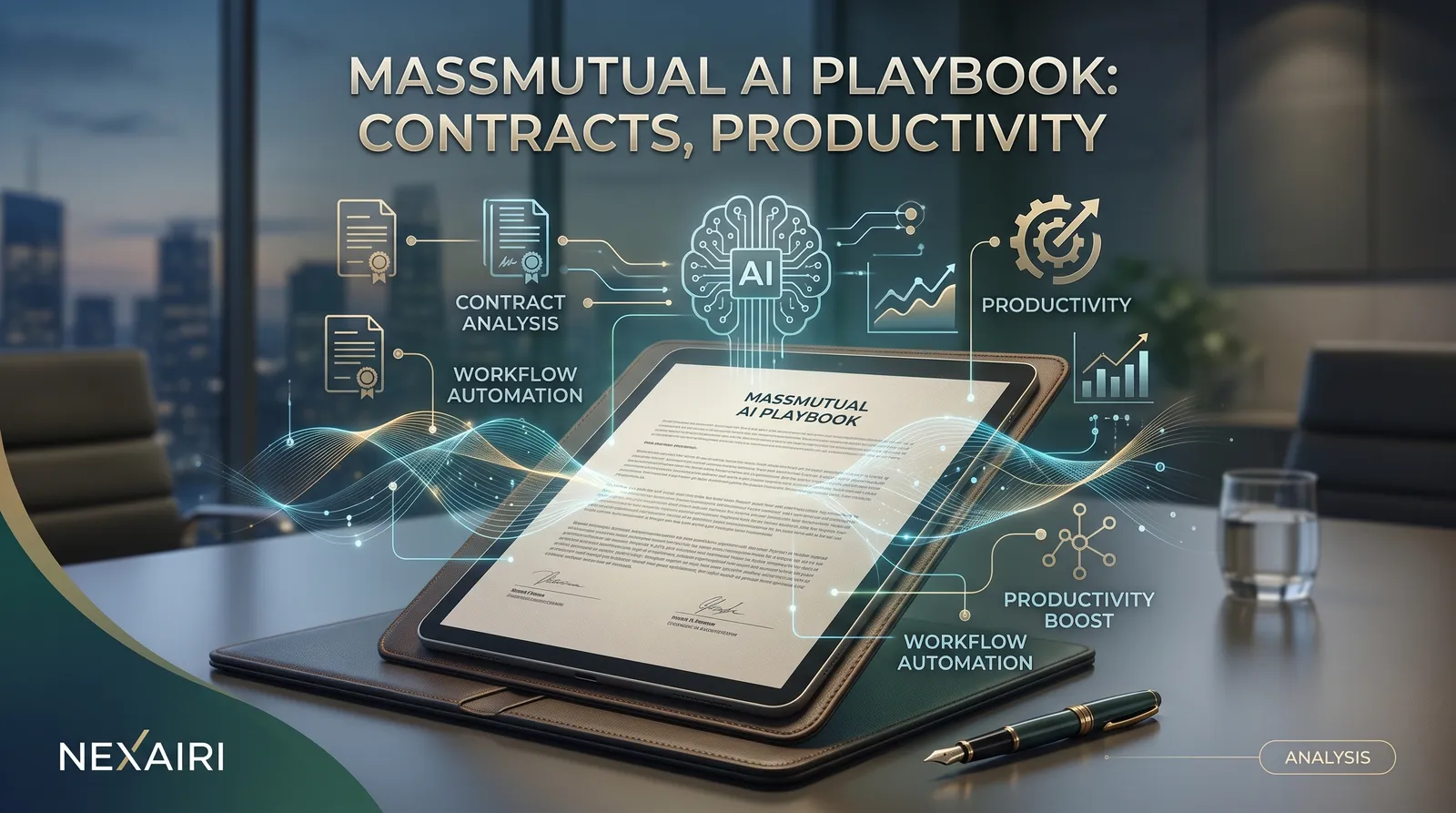
MassMutual saw that moment coming and built a rule to prevent it.
In June 2026, the insurance company shared its AI adoption results: 30% gains in developer productivity. Contact center resolution times dropped from 10 minutes to one. Costs went from dollars to cents. The numbers got attention. The method behind them didn't get nearly enough.
They didn't find a better AI tool. They found a better way to buy one.
How does a 12-month AI contract force vendors to prove it?
MassMutual caps every AI vendor agreement at 12 months. Renewal requires documented performance results. Vendors prove it worked or lose the account.
Most enterprise finance teams sign AI vendor contracts that run three to five years. The logic seems reasonable: longer terms mean lower annual pricing, volume commitments give you leverage and you avoid the overhead of frequent renewals.
The problem is simple. If the vendor oversold and the tool underperforms, you're locked in.
MassMutual flipped this. Their standard AI contract maxes out at 12 months. If the vendor wants renewal, they have to earn it with results.
This forces a real conversation at month 10. Did the tool do what you said it would? Can you show the data? The vendor either proves it worked or loses the account. No hiding behind "you haven't finished onboarding" or "the configuration still needs work." Twelve months is enough time to know.
The secondary benefit is negotiating power. A vendor who needs to win renewal signs better terms. They drop overages, speed up integrations and add features. Because a 12-month renewal isn't a guarantee. It's a performance review.
| Contract Approach | Typical Term | Performance Check | Vendor Incentive After Year 1 |
|---|---|---|---|
| Standard enterprise deal | 3–5 years | At renewal only | Low — revenue is already locked in |
| MassMutual approach | 12 months | Tracked from day one | High — renewal must be earned with data |
What did MassMutual actually measure before renewing each vendor?
Here's the detail most finance teams skip. MassMutual didn't ask the vendor "Is this working?" They defined what working meant before the contract started.
For each AI tool, they picked two or three measurable outcomes upfront. Time saved per transaction. Accuracy rate against a baseline. Cost per process compared to before. They wrote those numbers down, shared them with the vendor and tracked results from day one.
When renewal came, they pulled the data. Did the tool hit the benchmark? Yes: renew. No: exit.
This sounds basic because it is. Most companies don't do it. They sign based on a pitch deck with productivity claims, deploy the tool and assume it's working because no one complained loudly enough to stop it. They find out the truth at renewal. By then it's too late.
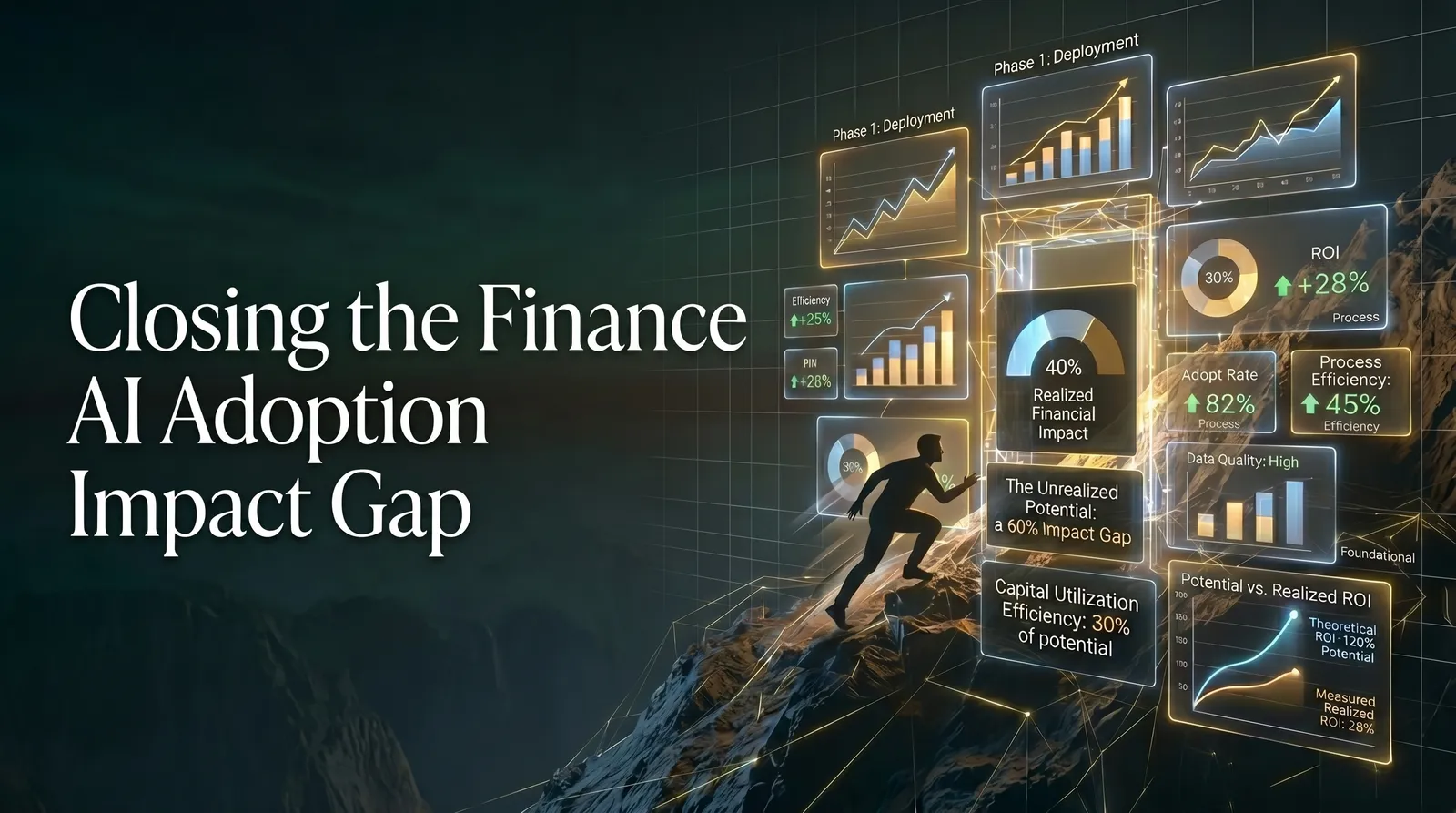
Research backs this up. A Gartner survey of 183 CFOs found 84% have adopted AI in finance — but only 7% report high impact. The gap isn't the technology. It's the absence of measurement from the start.
MassMutual's edge wasn't access to better AI. It was access to their own numbers. When the contract came up, they knew.
Why do long AI vendor contracts quietly drain finance teams?
After year one, a vendor's motivation to fix problems drops sharply. Their revenue is already locked. Your team is stuck paying for underperformance.
Long AI contracts create a specific kind of risk. The vendor's motivation to keep you happy drops sharply after month 12. They already have the money. If the tool is underperforming, fixing your setup costs them time they weren't paid for. They've already been paid for two more years.
So what happens? The invoice comes. Your CFO sees the cost was locked in years ago and has never been re-evaluated. The tool has been running in the background. No one measured whether it worked. It feels too late to pull it out and rebuild the process. The renewal goes through.
Eighteen months later, a better and cheaper tool arrives. You can't switch. You'd need executive approval to exit early. That means admitting the original call was wrong. Most teams sign the renewal instead.
MassMutual built the opposite structure. Short contracts mean no one gets trapped. If a vendor underdelivers, the exit window is months away, not years. If a better tool arrives, you can move at the next contract cycle.
Nexairi Dispatch
Get the next AI move before it turns into a workflow problem.
Join the free newsletter for concise AI news, practical checklists, and the decisions practitioners need to make next.
Free. No spam. Unsubscribe anytime.
Three rules before you sign any AI vendor agreement
Define what you're measuring before day one. Commit to 12-month terms. Let data decide renewal, not internal politics.
This isn't complicated. Here's what MassMutual's approach comes down to.
First, define what you're measuring before day one. What does productivity gain mean for this tool? Hours saved? Accuracy rate? Cost reduction per month? Write it down, make it specific and share it with the vendor before they sign. If they won't commit to the same definition of success, that's a warning.
Second, commit to 12-month terms only. Negotiate agreements with a 12-month initial period and a renewal clause that requires documented performance, not automatic rollover. Vendors will push back and say three-year terms are standard. They're standard because most buyers accept them. You don't have to.
Third, decide renewal or exit based on numbers, not politics. At month 10, pull the data. Did the tool hit the benchmark? Yes: renew. No: exit. Don't let internal stakeholders who championed the purchase protect the vendor relationship. If the data says it isn't working, the contract doesn't renew.
That's the discipline MassMutual baked in. Not flashy. Systematic.
Where this gets hard to copy
The MassMutual framework works — but it comes with a real caveat. Large enterprises with deep integrations often face switching costs that a 12-month exit clause doesn't eliminate. Data migrations, workflow rebuilds and staff retraining can cost more than another year of a bad contract. Short terms are the tool. The underlying discipline is what matters: define KPIs before signing, track from day one and let data drive renewal decisions.
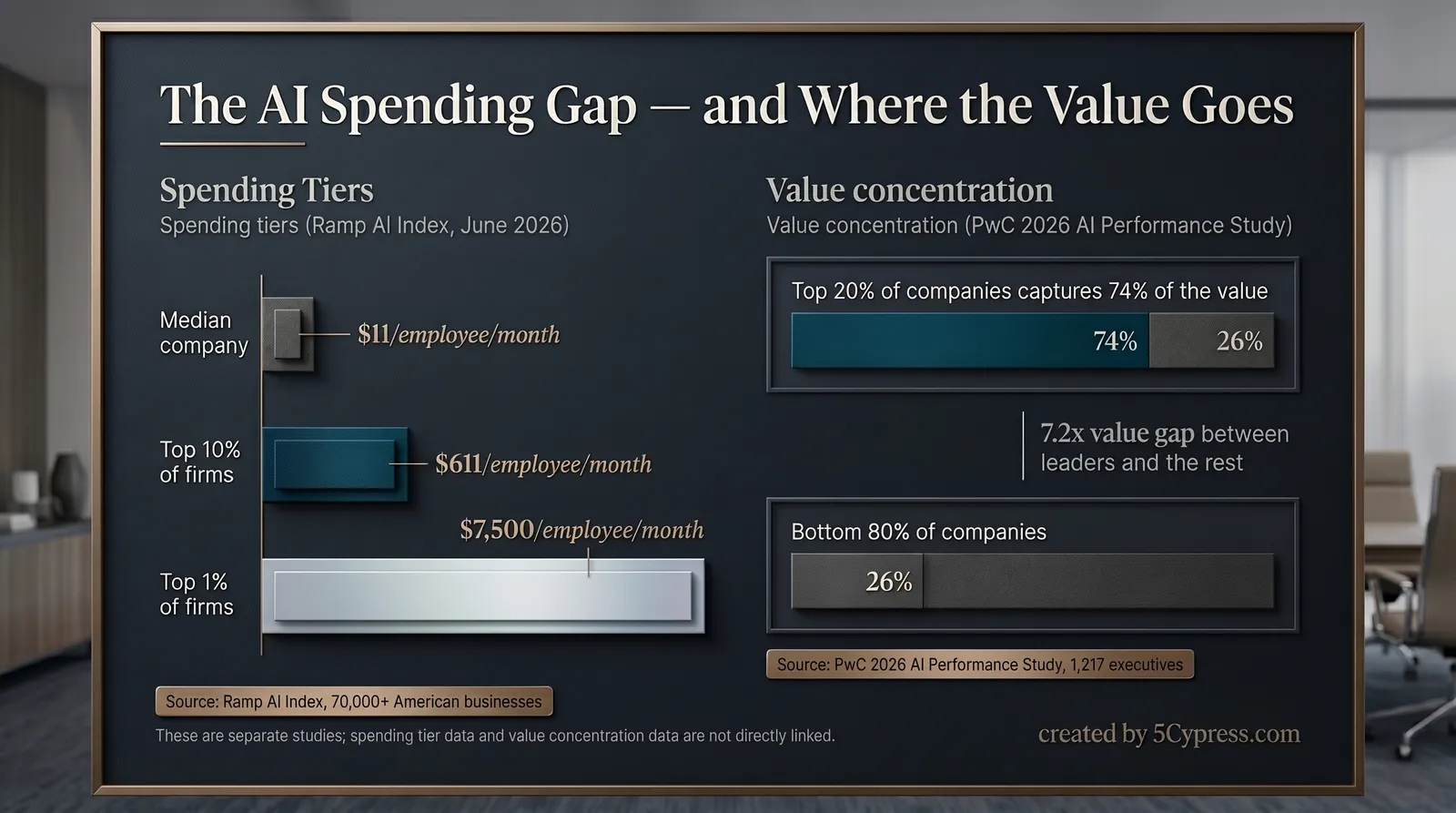
That discipline applies regardless of contract length. MassMutual used short terms to enforce the measurement habit. Your team can enforce it with a governance process, even inside a multi-year deal. PwC's 2026 research shows that companies capturing the most value from AI redesigned their workflows rather than just layering tools on top. Measurement is what separates a redesign from a layer.
What should your firm do before the next AI vendor renewal?
Audit every AI vendor agreement from the last 24 months. For each one, check whether you set a benchmark and whether the tool hit it.
Start with a contract audit.
Pull your AI vendor agreements from the last 24 months. For each one, write down the contract term, the stated ROI or productivity target, what you actually tracked and whether you hit it. If you can't answer those last two because no one set a benchmark or measured anything, that's the problem. Now you know where it is.
Before your next renewal goes to legal, demand a measurement report from your team, not the vendor. What did the tool actually deliver? Does the data justify the cost? If the answer is "we think it's been useful," you don't have enough information to renew.
Negotiating a new agreement? Use MassMutual's terms as the floor: 12 months, defined KPIs and renewal conditional on hitting them. The vendor who objects to measurable outcomes is telling you something about how confident they are in their own product.
The finance teams that run this way will know which AI tools work and which are expensive mistakes. The ones that don't will keep signing renewals on faith.
One group will have results to show. The other will have invoices.
Sources
Related Articles on Nexairi
Free Assessment
Is your firm ready for AI?
A 5-minute governance check for CPA firms using ChatGPT, Copilot or AI accounting software. Get your score and your top gaps — free.
Jim Smart is the founder and editor in chief of Nexairi. A Business Intelligence Developer with experience building data systems for Verizon, U.S. Army operations, and enterprise finance teams, Jim spent years turning complex data into decisions that executives could act on — dashboards, forecasting models, and automation pipelines across telecom and government contracting. He founded Nexairi to apply that same clarity to AI: making emerging technology understandable and actionable for the operators, accountants, and business owners who need it most. Jim holds GenAI certifications from the University of South Florida Bellini College of AI and completed Springboard's Data Science Career Track.