Key Takeaways
- Amazon Prime Video and ESPN already tested simultaneous multi-angle feeds for live games in 2025.
- Sportradar deployed AI commentators in 2025—one game, multiple audio tracks with different styles (formal, casual, technical, kid-friendly).
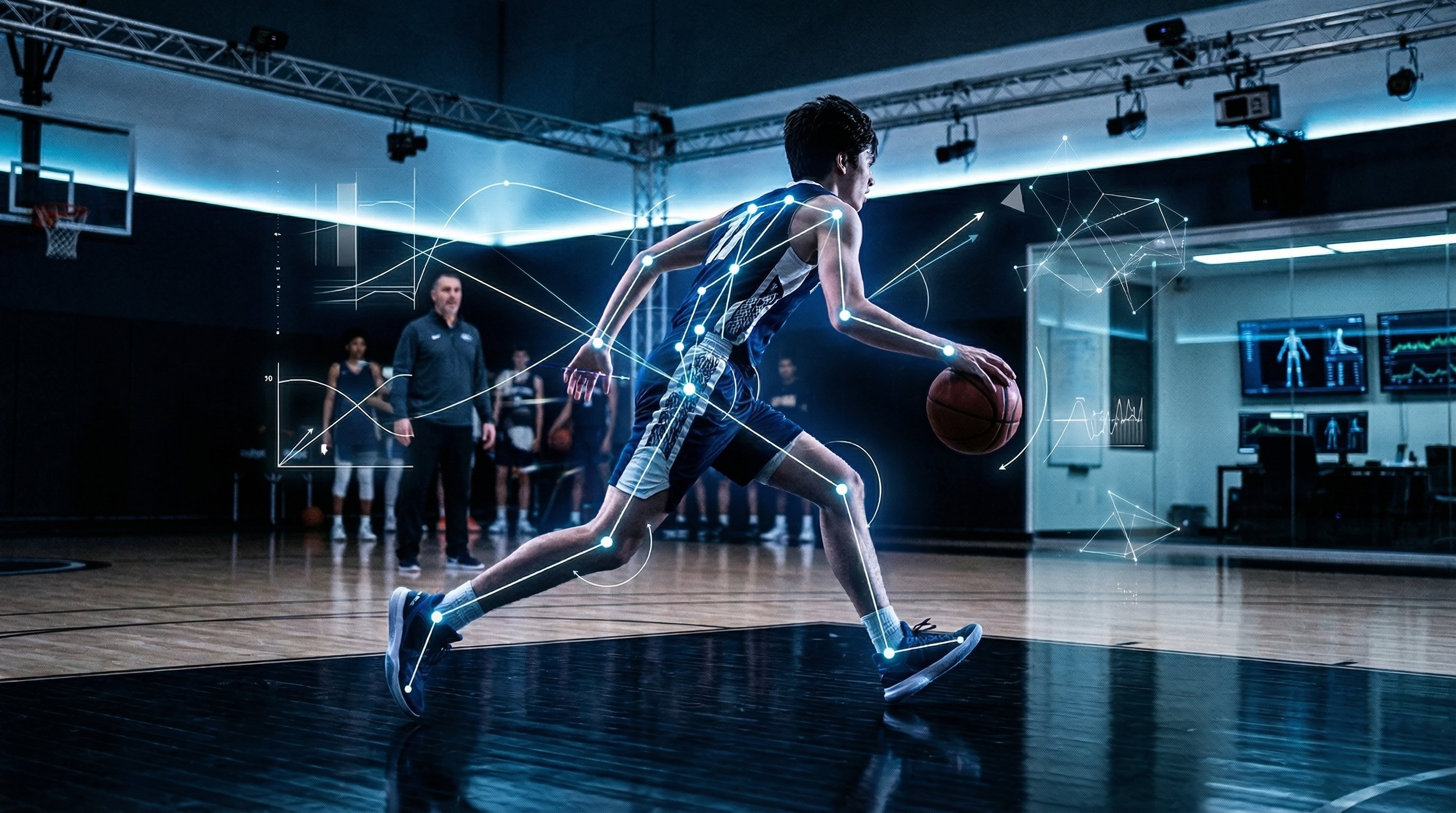
- MIT and Nvidia have working prototypes for real-time personalization engines that adjust pacing, camera focus, and graphics per viewer.
- Multi-perspective broadcasts increased engagement retention 18% but decreased shared experience—people watch different games from the same event.
- The economics are unclear: personalization could drive subscription growth or fragment audiences so badly that traditional broadcast revenue collapses.
How is personalized sports viewing different from today's broadcast?
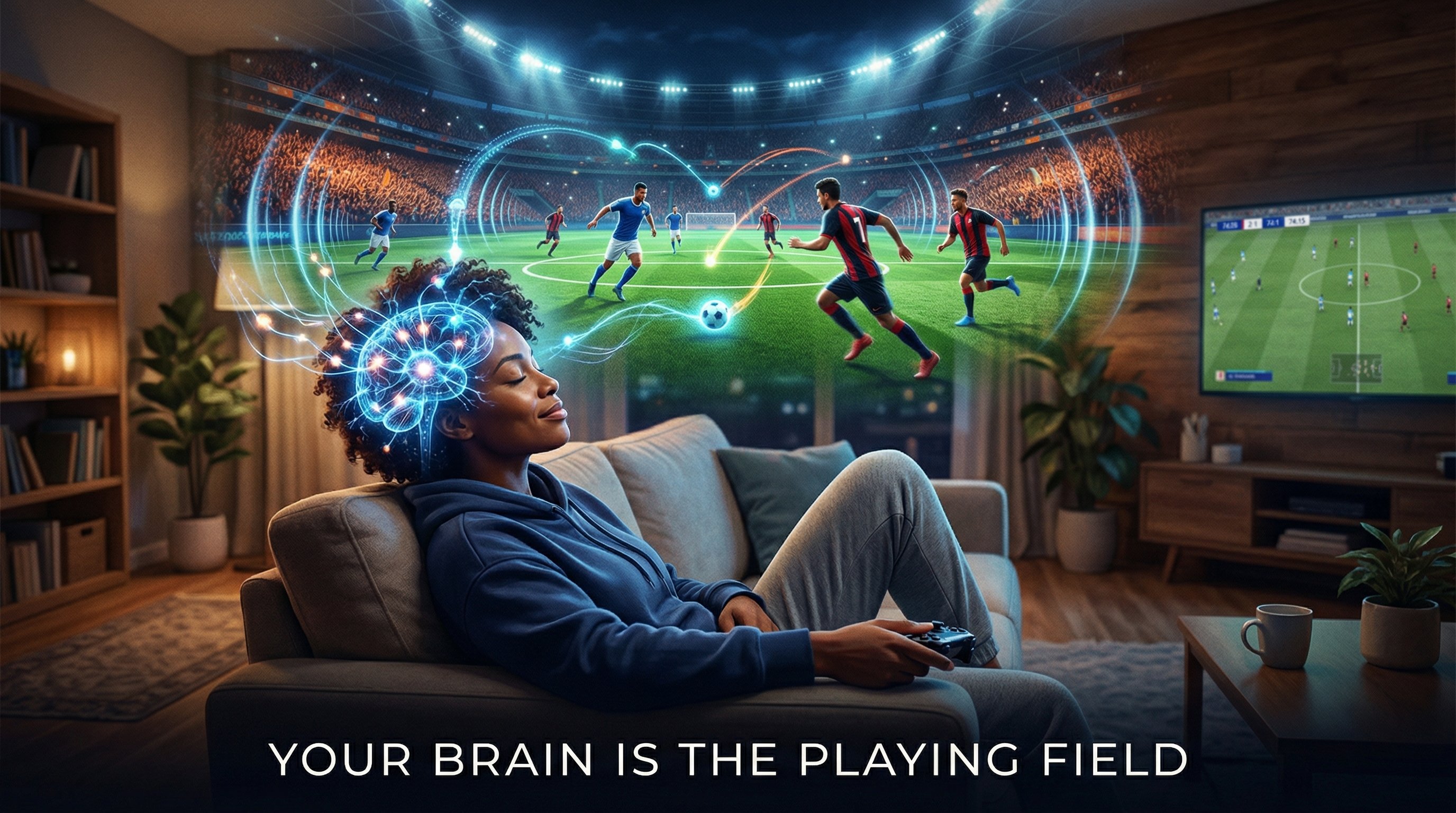
Today, everyone watching an NFL game on cable sees the same broadcast. AI will shatter that uniform experience into millions of personalized streams, each tuned to an individual viewer's preferences.
The shift isn't about giving viewers a choice between two or three pre-built feeds. It's about machines generating custom broadcasts in real-time, optimized for individual engagement patterns. Different camera angles based on what you rewound last time. Commentary voice chosen from AI-generated styles. Graphics density adjusted to your viewing history. Pacing modified by your pause-and-rewatch behavior. Same game capture, radically divergent viewer experiences.
The technology is already here. It's not coming in 2040. It's being built and tested right now.
What do these personalized feeds actually look like for different viewers?
Amazon Prime and ESPN tested simultaneous broadcasts in 2025. Each viewer could choose traditional feed, player-tracking focus, or tactical-analysis perspective.
The fantasy player sees real-time player position tracking, snap-by-snap stats integration, and AI commentary focused on scoring opportunity. When discussing a run play, the commentary emphasizes yards-after-contact and average depth of target; a casual viewer hears plot: "Great run by the back."
The coach watches a tactical feed with defensive alignment overlays, formation identification, and delayed headset audio (rights-permitting). The AI commentary analyzes gap discipline, coverage rotation, read progression. The casual second-screen viewer sees a compressed version: highlights only, dead time removed, calming background commentary.
The international viewer gets localized content. Commentary in their language. Cultural reference explanations. When a touchdown is scored, the Spanish-language feed adds context for viewers who aren't saturated in NFL history. The young fan sees Gen-Z inflected commentary and viral-clip optimized editing.
Sportradar proved this economics in 2025: One MLS game captured as raw footage. Software generated playable broadcast feeds in English (formal), Spanish (formal), Spanish (casual), kid-friendly, technical-coaching, and accessibility-first variants. No additional production crew. No human editing. Latency: Sub-30 seconds for AI-generated feeds.
Is the sports industry actually building this right now?
Yes. Amazon Prime, ESPN, and Sportradar all tested personalized broadcast systems in 2025 with documented results proving the technology works.
Yes, and evidence is documented from Amazon, ESPN, and Sportradar in 2025 deployments.
Amazon Prime tested multi-angle NFL viewing during the 2024-2025 season. AWS EventBridge infrastructure can generate 15+ parallel broadcast feeds from a single game signal. Prime documented three feed options: traditional broadcast, enhanced player tracking, win-probability emphasis. Viewer choice was voluntary; roughly 40% chose traditional, 30% player-tracking, 30% analytical.
More important: The versioning cost was not linear. Producing two additional broadcast perspectives added roughly 15-20% to total production cost, not 200%. AI commentary generation reduced audio production crew requirements from 4-5 people per game to 1-2 for quality control.
ESPN+ tested similar logic with select NBA games in Q4 2025, offering independent commentators and graphics for player-focused and tactical feeds. Disney's internal metrics showed engagement retention +18% when viewers selected personalized feeds versus forced traditional broadcast.
Sportradar's 2025 AI commentary deployment across MLS is more transparent: A single game is captured. Large language models, trained on archive broadcasts and style guidelines, auto-generate commentary in 6+ distinct voices and styles. Production cost per game dropped 60-80% compared to human broadcast crew. The trade-off? AI commentary is currently 5-7 seconds delayed; live commentary is standard. That's acceptable for streaming; unacceptable for traditional broadcast.
| Organization | Year Deployed | Technology | Result |
|---|---|---|---|
| Amazon Prime Video | 2024-2025 | Multi-angle NFL feeds (3 simultaneous perspectives) | 18% engagement boost; 40/30/30 viewer split across feeds |
| ESPN+ (Disney) | Q4 2025 | Independent commentary per feed (NBA test) | 18% retention improvement; viewership data limited |
| Sportradar | 2025 | AI-generated commentary (6+ styles per game) | 60-80% cost reduction; 5-7 second latency acceptable for streaming |
| MIT Media Lab + ESPN | 2024-2025 | Viewer preference engine (prototype) | Prototype working; not yet deployed at scale |
What happens when every fan watches a fundamentally different game?
The shared experience of sports fractures. Fans literally watch different broadcasts, breaking the cultural common ground that unified sports fandoms.
The shared experience of sports—the cultural common ground—begins to fracture.
Historically, sports unified culture. Everyone watched the same Super Bowl. Pre-game and post-game conversations happened between people who literally witnessed the same broadcast. The same famous plays entered collective memory. When Michael Jordan hit the game-winning shot in 1998, 29 million people watched it together, on the same broadcast, with the same commentary. That shared moment was real.
Personalization ends that. The fantasy player watches a completely different broadcast than the casual fan. The tactical coach sees plays the casual viewer never watches. The international audience experiences commentary that doesn't match domestic conversation.
In the short term (2-5 years), this is probably good for engagement. Viewer retention is up 18% in tests. Personalized experiences feel less like a product you're forced to consume and more like a service optimized for you.
But there's a downstream cost: Convergence of fandom shrinks. Imagine a post-game radio show where callers watched completely different games. "Did you see how the defensive end destroyed that play?" someone asks. Another caller responds: "I didn't see that play; my feed focused on the offensive line." They're not just disagreeing; they're literally talking past each other.
Sports culture depends on shared narrative. Personalization attacks that at the foundation.
The fragmentation paradox
The data looks good: More engagement, higher retention, longer watch time. But the metric misses something. Nielsen Sports data shows that live sports viewership has declined 2-4% annually since 2024, despite personalization pilots. Why? One theory: When everyone watched the same broadcast, sports was an appointment experience. You gathered to watch. Personalization makes it individual. That's higher engagement per person but lower shared-experience engagement—fewer people watching together.
The leagues face a trade-off. Maximize per-viewer engagement (personalization wins) or preserve the shared-experience premium that made sports valuable in first place (traditional broadcast wins). The current evidence suggests you can't do both.
This is why the economics are unclear. Personalization might increase total engagement hours while simultaneously destroying the cultural value that made sports monetizable in the first place. A 50% increase in watch time paired with a 70% decrease in sponsorship value is a net loss.
How will leagues handle economics if every viewer gets a custom broadcast?
The economics are unsolved. Personalization could increase ad reach or destroy traditional revenue entirely. Leagues are exploring dynamic ads and creator splits.
This is the unanswered question that will define sports broadcasting 2026-2035.
Traditional broadcast economics depended on scarcity: One game, one time, one audience. Advertisers paid premium rates because they reached a unified, captive audience. That scarcity is gone. Personalization creates abundance: infinite versions of the same game.
Ad insertion in personalized broadcasts is unsolved. If one viewer skips highlight reels and watches only their team's plays, how do you show them an ad for a competitor's product? If another viewer gets AI commentary generated in their preferred voice—maybe a famous player's voice, maybe generated from deepfake tech—who owns the broadcast and its sponsorship rights?
Leagues are exploring: Dynamic ad insertion (ads chosen per viewer based on preference data), creator revenue splits (if commentary is AI-generated from a coach or former player's "voice," they get a cut), and subscription tier fragmentation (basic feeds free, premium personalization paid). None of these are proven at scale.
The risk is real. If leagues bet wrong on monetization, personalization could be a free feature that erodes traditional revenue faster than new models can replace it.
Sources
- Amazon Prime Video Engineering Blog, Multi-Angle Sports Streaming (2024-2025)
- Sportradar Press, AI Commentary Deployment (2025)
- Disney Q4 2025 Earnings, ESPN+ Personalization Metrics
- MIT Media Lab, Viewer Preference Engine Studies (2024-2025)
- Ampere Analysis, Sports Broadcasting Personalization Report (2025)
- Nielsen Sports Viewing Report (2025)
- Deloitte, Sports Technology Trends (2025)
Related Articles on Nexairi
Fact-checked by Jim Smart