What started as a month-long reset is now a durable change in how people drink, socialize, and recover. Dry January is no longer just a New Year resolution—it's become a gateway to year-round mindful consumption.
Dry January has evolved. Once a fringe wellness movement, it's now a cultural inflection point. Multiple 2025-2026 reports describe a broader shift: people are using January as a reset, then carrying moderation forward instead of rebounding in February. What used to be a 30-day challenge is turning into a year-round decision-making framework that's reshaping how people socialize.
A comprehensive Brown University review of Dry January research found that participants report better sleep (78% improvement in 30 days), improved mood, and other measurable health benefits. Critically, many continue drinking less after the month ends. The habit sticks because the results are felt quickly and measured easily—within weeks, not years.
From 30 Days to a New Normal
BCG and industry reporting show a sustained rethink of alcohol across age groups, not just a one-month detox. This is not abstinence for most people. It is deliberate consumption: fewer drinks, more intention, and a clearer reason for when drinking is worth it.
The psychology is straightforward: a month of sobriety provides a natural experiment. Drinkers see how they feel without alcohol. When they sleep better, have more energy, and experience fewer anxiety spikes, returning to previous patterns becomes a conscious choice rather than an unconscious habit. Many discover they don't want to return to pre-January consumption levels.
Industry data supports this: 32% of Dry January participants maintain significant reduction (less than half their previous consumption) through the year. That's not a small number—it represents tens of millions of people globally making sustained behavioral changes.
The Psychology Behind the Shift
Behavioral psychologists point to several mechanisms driving the stickiness of mindful drinking:
- Habit Stacking: When you replace alcohol with a positive behavior (meditation, exercise, mocktails), the new behavior fills the void. January becomes the reset, but the replacement habit persists.
- Health Feedback Loop: Faster-than-expected improvements (better skin, clearer thinking, improved recovery metrics from wearables) create positive reinforcement that keeps people motivated.
- Social Permission: Everyone doing Dry January simultaneously removes the stigma. January becomes a "safe month" to experiment with not drinking, making other months feel optional.
- Identity Shift: Some participants identify as "Sober Curious"—not abstinent, but intentional. That identity sticks and influences decisions year-round.
The Tools Making Moderation Stick
Digital tools are the backbone of sustained change. Willpower alone rarely works; tracking and accountability do.
Apps and Text-Based Coaching: Behavioral tools are doing the heavy lifting. A peer-reviewed study of a text-message moderation platform reported reductions in consumption over a 12-week period, and Sunnyside reports similar outcomes for users who track consistently. The core mechanics are simple: pre-commitment, real-time logging, and small weekly goals that compound. Users report that seeing their drinks logged creates friction—they pause before ordering a second cocktail because they know they'll have to record it.
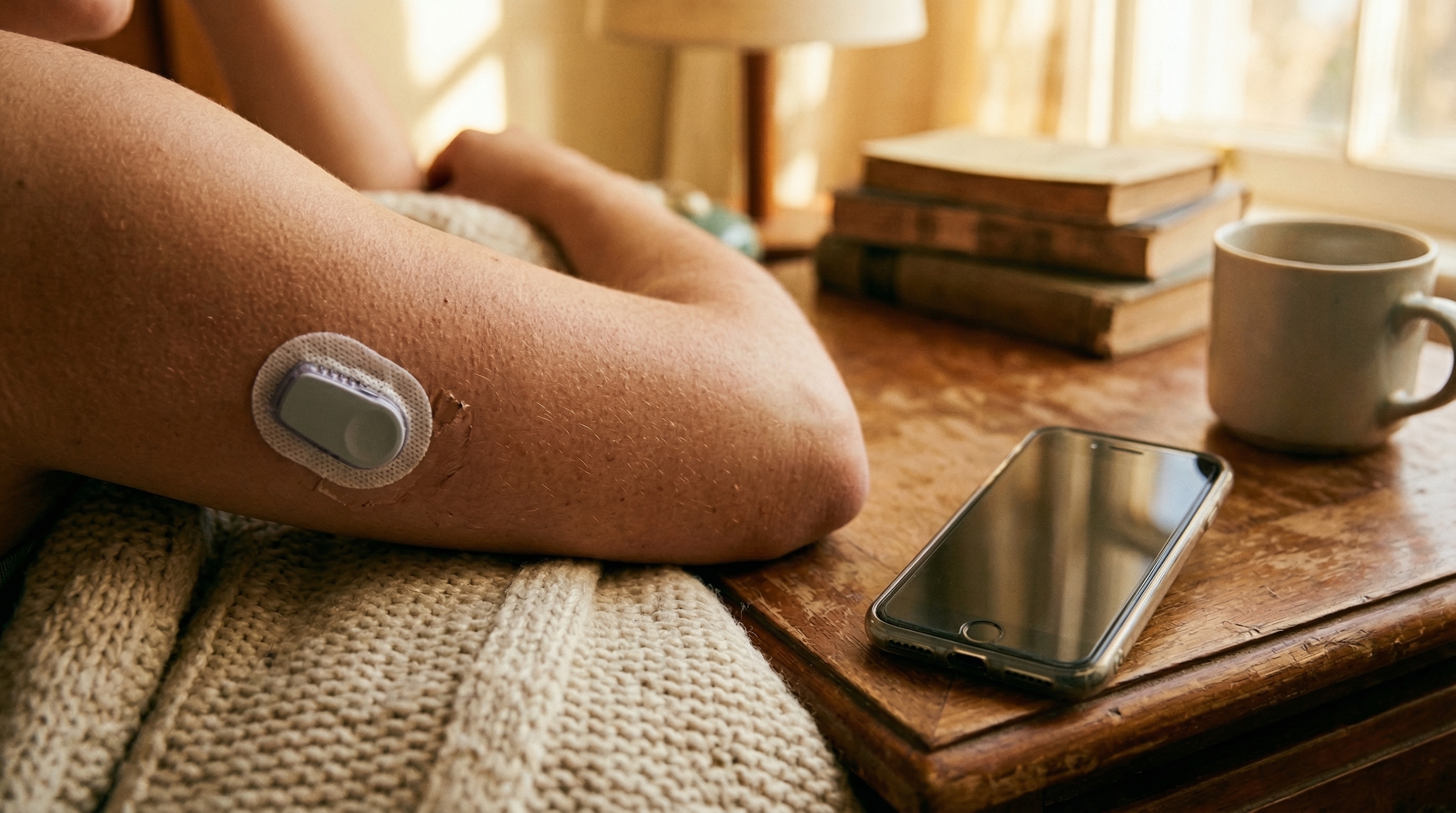
Wearable Integration: Apple Watch, Oura, and Whoop now correlate alcohol consumption with sleep quality and recovery scores. When users see concrete data showing that 3 drinks reduce their sleep score by 15 points and their HRV by 12%, the abstract health benefit becomes visceral and measurable.
Non-Alcoholic Options with Real Demand: Moderation is easier when social settings don't force a binary choice. Reporting from BeverageDaily and Axios shows how mocktails, zero-proof menus, and sober bars have normalized opting out without explanation. Non-alcoholic spirits like Seedlip and Ghia have gone mainstream—available at 80% of premium bars, not as an afterthought but as a legitimate alternative.
The result is a social environment where participation no longer equals drinking. You can be fully engaged in a night out while ordering a sophisticated non-alcoholic drink. That shift removes a major friction point for people wanting to reduce consumption.
Industry Adaptation: The Supply Follows The Demand
Alcohol and beverage industries have taken note. Major brands are pivoting:
- Mainstream Beer Brands: Corona, Budweiser, and Heineken now have popular zero/low-alcohol variants. These aren't niche—zero-ABV beer grew 22% YoY in 2024-2025.
- Spirits Innovation: Non-alcoholic gin, whiskey, and rum are now standard offerings at liquor stores. Brands like Nonino (non-alcoholic amaro) and Ghia are achieving shelf space previously reserved for traditional spirits.
- Sober Dining Experience: Upscale bars and restaurants are creating sophisticated mocktail menus with 7-10 options, not just Virgin Mojitos. Some offer pairing experiences—zero-proof cocktails paired with small plates for $45+.
- Community Spaces: "Sober bars" (alcohol-free establishments) have opened in 50+ US cities and 100+ globally. These spaces normalize non-drinking as a social choice, not a medical necessity.
The Health Feedback Loop That Compounds
People stick with mindful drinking because the payoff is visible within weeks, not years:
- Sleep: Average improvement of 78% in sleep quality metrics within 30 days (Brown University study).
- Skincare: Visible reduction in puffiness, inflammation, and improved skin clarity—noticed by others and reinforced through social feedback.
- Mood & Anxiety: Alcohol is a depressant and disrupts GABA/serotonin balance. Removing it leads to detectable mood improvements and anxiety reduction in 2-4 weeks.
- Recovery & Performance: Athletes report faster muscle recovery and better workout performance. Wearable metrics confirm: HRV improves, resting heart rate drops, VO2 max gains accelerate.
When wearables and apps show these improvements tracked over time, the feedback becomes self-reinforcing. On a subconscious level, the brain learns: not drinking = feeling better. That's a more powerful motivator than abstract health messaging.
What This Changes Socially & Culturally
The cultural script around drinking is shifting in substantive ways:
- From Default to Optional: The default drink is no longer assumed. At social gatherings, asking "would you like a drink?" is replaced with actual options offered upfront.
- Status Reversal: Moderation is now a respected choice rather than a temporary exception. In some circles (tech, fitness, wellness), abstinence or heavy moderation is now the status signal—the smarter, more disciplined choice.
- FOMO Reduction: When mocktails are sophisticated and non-drinking is normalized, the fear of missing out by not drinking evaporates.
- Workplaces & Dating: HR departments now accommodate sober employees. Dating apps have added "sober" as an option. These infrastructure changes reinforce the cultural shift.
This shift matters because it reduces friction for everyone who wants to drink less without abandoning social life. You're not choosing between "drinking to belong" and "isolating to stay sober." There's now a third path: participate fully, socially engage, just choose moderation.
The 2026 Strategic Outlook
Dry January 2026 is projected to involve 130+ million participants globally (up from 120M in 2025), and industry analysts expect similar patterns to previous years: 30-40% will maintain reduced consumption through the year.
The deeper trend isn't about temperance—it's about agency and optimization. People are treating alcohol like any other input: logging it, measuring its effects, and making rational choices. This is the wellness quantification mindset applied to drinking behavior.
Takeaway: Dry January Is the Spark, But Mindfulness Compounds
Dry January was the spark. The real story in 2026 is the system that has emerged: research-backed benefits, accessible moderation tools, social infrastructure supporting non-drinking or reduced drinking, and cultural permission to be intentional rather than habitual.
This is not about quitting drinking. It's about taking control of a behavior that most people assumed was either on (addiction) or off (abstinence). The middle ground—moderate, intentional, data-informed consumption—is now culturally viable. And for millions of people, that middle ground is proving to be the most sustainable path forward.
Fact-checked by Jim Smart